
How to Choose the Right Connecticut Dog Kennel Near You
How to Choose the Right Connecticut Dog Kennel Near You
When people search for a Connecticut dog kennel or type dog kennels near me, they are usually doing more than price shopping. They are trying to answer one question: Can I trust this place with someone I love?
That is exactly the right question to ask.
Because not all boarding facilities are created equal. Some are clean, organized, licensed, and professionally run. Others are loud, dirty, vague, understaffed, and far more focused on packing dogs in than truly caring for them. In Connecticut, commercial kennels must be licensed by the Department of Agriculture, and the state can inspect those facilities for sanitation, humane treatment, disease concerns, and public safety. The state also tells owners they can verify whether a commercial kennel is properly licensed by checking the official roster.
Direct Answer
To choose the right dog boarding facility near you, look for a kennel that is licensed, clean, transparent, experienced, and structured. Ask whether you can tour the property, how dogs are supervised, what vaccine protocols they require, how emergencies are handled, whether the staff is trained, and whether the contract is clear. Red flags include strong odors, chaos, dirty conditions, vague answers, or a facility that will not let you see how it actually operates.

Start with what your eyes, ears, and nose tell you
The first test is often the simplest one.
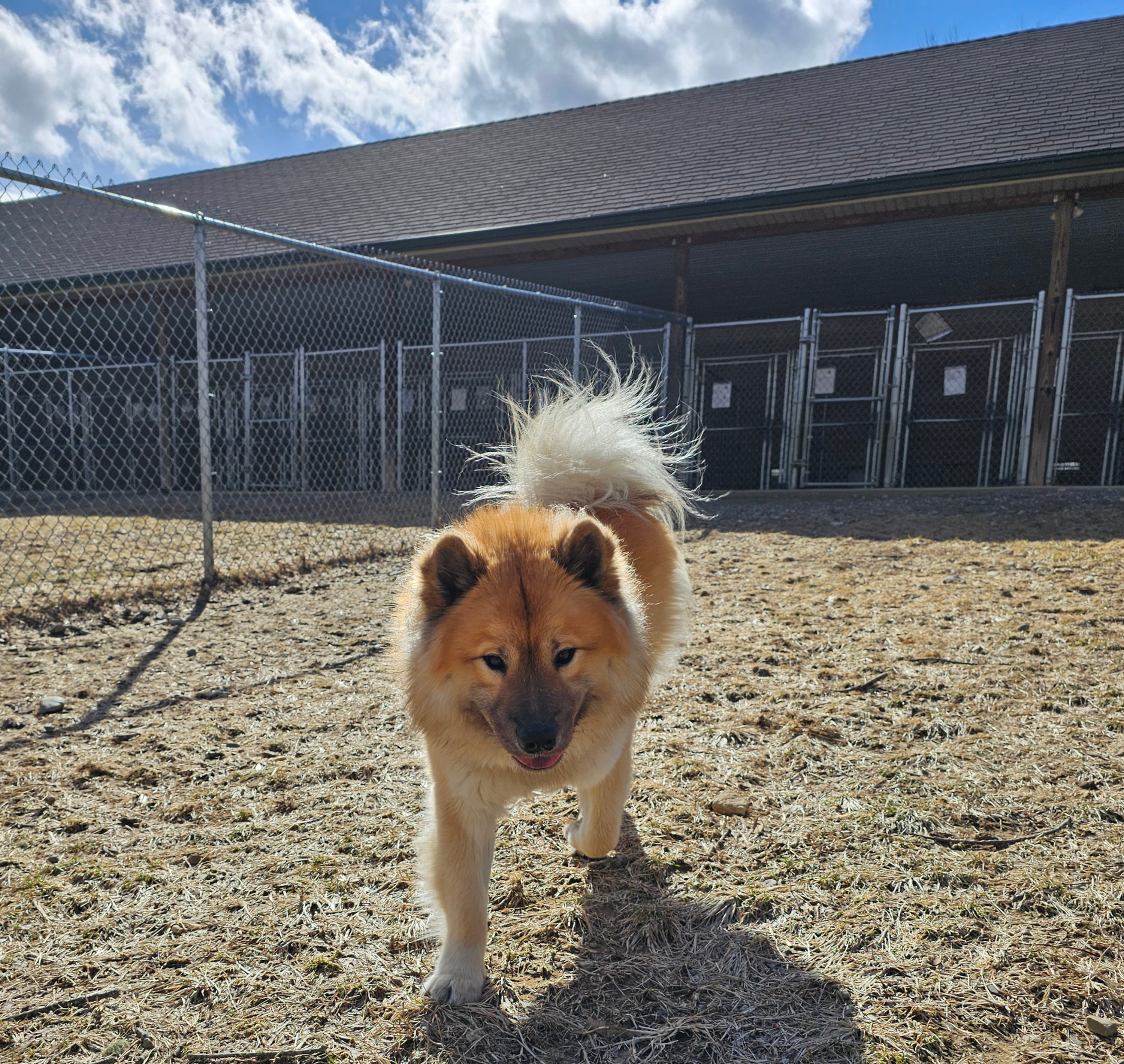
If a kennel smells foul, if dogs are barking wildly without any visible order, if the runs look dirty, or if the place feels chaotic the moment you walk in, pay attention. AKC advises owners to inspect a boarding facility before leaving their dog there, and that advice matters because your first sensory impression usually tells you a great deal about standards. A clean, well-run place should feel orderly. It should not feel frantic or neglected.
I would say it even more plainly: if the building smells wrong, sounds wrong, and feels wrong, keep driving.
Ask whether the kennel is properly licensed and inspected
This is not a fussy question. It is a basic one.
In Connecticut, the Department of Agriculture licenses commercial kennels, and the same statutory framework also covers grooming and training facilities. The state’s licensing pages make clear that commercial kennels, training facilities, and grooming facilities are regulated categories, and the Department says its division inspects commercial kennels, grooming facilities, and training facilities for compliance with state law. Connecticut law also states that no person may maintain a commercial kennel without a license, and that the commissioner may inspect facilities and issue corrective orders, fines, quarantine, suspension, or revocation if conditions are unsanitary, unsafe, or involve contagious disease.
If they will not let you tour, that is a red flag
Any kennel can make a website look polished. The tour is where truth begins.
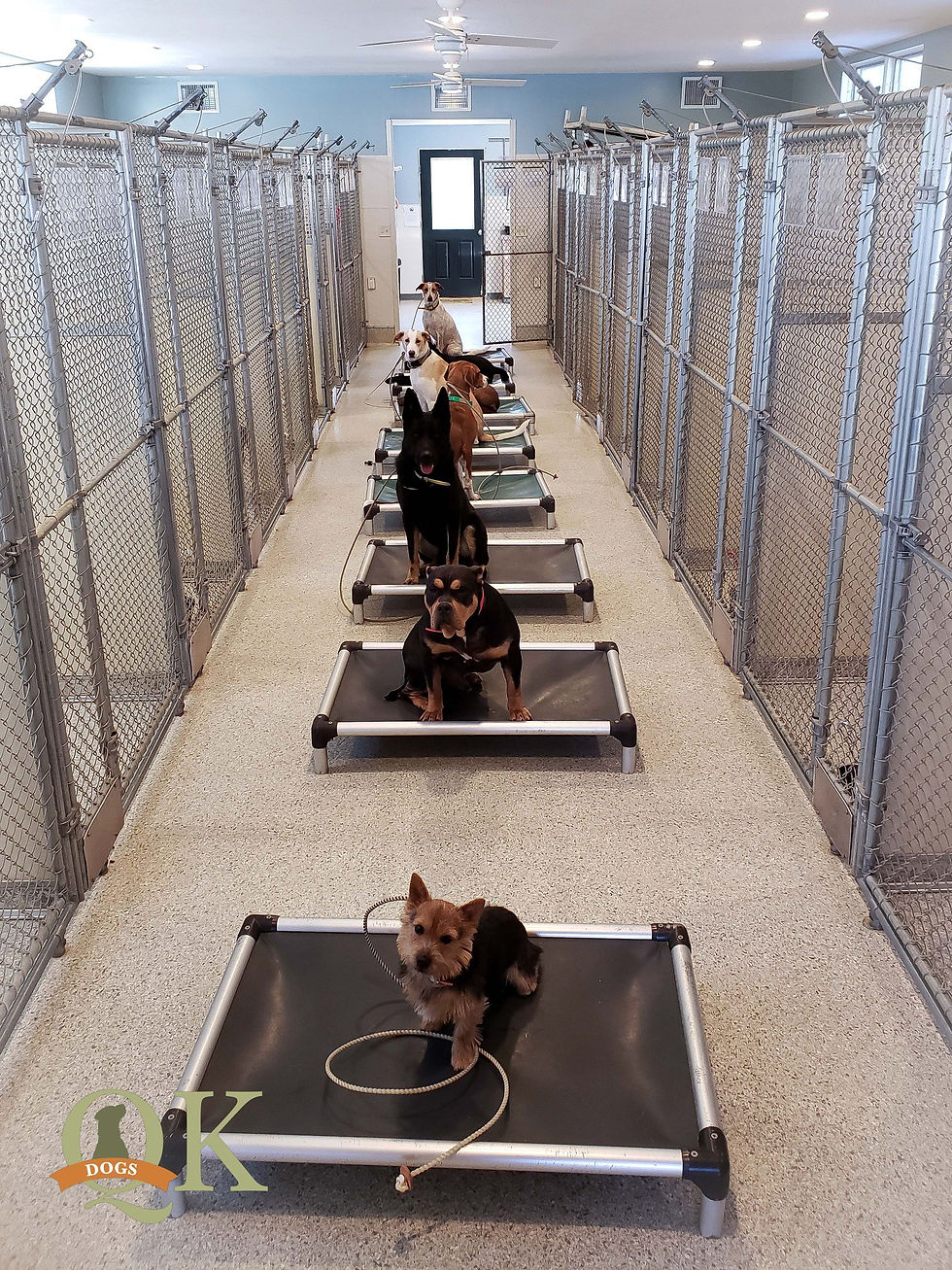
AKC advises owners to inspect boarding facilities before drop-off, and its guidance on boarding also encourages owners to ask questions about immunization requirements, daily activities, and general care procedures before booking. A facility that is proud of its work should be able to show you the environment in some reasonable, controlled way.
No, that does not mean owners should expect unlimited backstage access at any hour. But if a kennel hides the dog areas, dodges basic questions, or offers only polished lobby talk with no real transparency, that should concern you.
Ask who is actually handling the dogs
Not just the manager. Not just the owner. The dogs.
This is one of the most overlooked questions owners ask. A kennel is only as good as the people touching dogs every day. AKC’s boarding guidance tells owners to ask what the dog’s day will look like, including playtime and activities, and QK’s own boarding page highlights the same concern from the client side: warehouse-style kennels, undertrained staff, overcrowded groups, and no attention to the dog’s unique needs are exactly what owners worry about. QK also emphasizes certified, caring staff and personalized care tailored to the dog’s needs.
Ask the questions that reveal real standards
So ask:
Who is supervising play groups?
What experience do your handlers have?
How are dogs grouped?
How much hands-on attention does each dog get?
How do you handle a nervous, pushy, or overstimulated dog?
A good answer should sound clear, calm, and practiced. A weak answer usually sounds vague.
Vaccine protocols and health standards matter
A boarding kennel should take disease prevention seriously.
AKC says many states require proof of vaccination for dog kennels to legally operate and advises owners to ask about immunization requirements when registering. Connecticut also emphasizes that owners should verify proper commercial kennel licensing, and its kennel statutes explicitly address sanitation, disease, humane treatment, and public safety.
That means you should ask:
What vaccines do you require?
Do you require proof of those records in advance?
What happens if a dog becomes ill?
How do you isolate a dog with suspicious symptoms?
How closely are appetite, stool quality, and behavior monitored?
At QK, the owner portal itself shows the kind of intake rigor good facilities should have: clients upload vaccine records, sign agreements, and share feeding habits and medications before services are requested. That level of documentation is a sign of systems, not inconvenience.
Read the contract before you ever book
A clear boarding contract is not a formality. It is a sign of professionalism.
Owners should know pickup and drop-off expectations, medication policies, emergency authorization procedures, cancellation rules, enrichment options, and how the kennel handles special situations. Connecticut’s kennel laws are built around public safety, humane treatment, and correction of unsatisfactory conditions, and QK’s own portal and boarding flow show the practical side of that professionalism: agreements are signed, records are uploaded, reservations are requested through the system, and the services are clearly structured.
A vague contract is a red flag. A complicated contract is not necessarily a bad one. Often it simply means the facility has thought through real-life situations before they become problems.
Ask whether the kennel is built around structure or volume
This is where the difference between a true professional kennel and a dog warehouse becomes obvious.
Some facilities rely on huge groups, noise, nonstop stimulation, and a “let them sort it out” attitude. Others build the day around structure, observation, enrichment, and appropriate rest. QK’s boarding page makes a sharp distinction here by calling out overcrowded cageless groups and lack of structure as common pain points, while positioning its own approach around exercise, socialization, obedience reinforcement, and individualized care.
That is the real question behind every tour: is this place built to care for dogs well, or built to move as many dogs through the building as possible?
Final takeaway
If you are trying to choose the right dog kennel near you, do not get distracted by polish alone. Ask better questions. Tour the facility. Verify the license. Pay attention to smell, noise, cleanliness, contracts, vaccine protocols, staff quality, and transparency. Connecticut gives owners tools to check whether a kennel is properly licensed, and AKC gives owners smart questions to ask before booking. Use both.
The right kennel should make you feel more confident the more you learn. The wrong one usually starts to unravel the moment you ask real questions.
FAQs
How do I know if a Connecticut dog kennel is licensed?
The Connecticut Department of Agriculture says owners can verify a commercial kennel’s status by checking the official eLicense roster. The state also licenses related pet businesses such as training and grooming facilities.
Should a boarding kennel let me tour the facility?
In most cases, yes. AKC advises owners to inspect boarding facilities before leaving their dog there and to ask detailed questions about care, activities, and immunization requirements before booking.
What are red flags when choosing a dog kennel near me?
Major red flags include bad odors, dirty runs, wild nonstop barking, vague answers, aggressive dogs being poorly managed, weak vaccine protocols, no clear contract, or refusal to show you how the place operates. Those issues may point to poor systems, poor sanitation, or poor supervision.
Why do vaccine protocols matter at a boarding facility?
AKC notes that proof of vaccination is commonly required in order to help prevent outbreaks of communicable diseases in kennel settings. Connecticut law also addresses disease control and sanitary operation in licensed facilities.
What should a good boarding contract include?
A strong contract should clearly explain reservations, arrival and departure expectations, emergency authorization, medication handling, required records, and the facility’s policies. Clear agreements are one sign that a kennel runs with order and accountability.
Visit QK Dogs today to learn more about our comprehensive dog care services, including training, boarding, grooming, nail trimming, and more!

About the Author: Jennifer Broome is the founder of QK Dogs, author and creator of the Mastering Canine Communication video series. With over 20 years of experience, she’s helped thousands of dogs and their owners build better relationships through calm leadership, clarity, and structure.


Comments