
How I Keep Dogs Safe During the Holidays: My Essential Holiday Dog Safety Guide
Updated: Jan 5

The holidays are a wonderful season, but they can also be one of the most stressful times of the year for dogs. After decades of training and caring for thousands of dogs, I’ve watched how quickly holiday chaos - decorations, guests, travel, food, and disrupted routines - can overwhelm them. Dogs don’t understand holidays; they understand energy, structure, and leadership. And during this season, they need all three.
As I always say: “Dogs don’t need a best friend, they need a leader they can trust.” Here’s how I keep dogs safe, balanced, and calm during the holidays and how you can do the same.
Holiday Stress Is Real - And Dogs Feel It Immediately
Every year, as owners get busier and daylight gets shorter, dogs begin losing the structure they depend on. Walks shrink, training gets skipped, and enrichment routines disappear. That’s when the pacing, whining, chewing, and restlessness start - early signals your dog is out of balance. Veterinary research supports this: signs such as lip licking, yawning, trembling, and avoidance are all well-recognized indicators of canine stress, as out
In Mastering Canine Communication, I teach owners to “listen with their eyes”: blinking, licking, swallowing, and posture shifts are all early cues your dog is struggling. Catching these signals early allows you to act proactively.
Structure Is the Foundation of Holiday Dog Safety

Dogs rely on rhythm and predictability. They also require 16–18 hours of sleep, which is why I lean heavily on crate training during hectic seasons. The crate is not punishment, it’s a den, a safe haven, and a powerful tool for emotional regulation.
If you need help reinforcing structure or leadership, our training programs at QK Dogs can give you a strong foundation. When dogs receive what they need - exercise, chewing enrichment, training, affection and downtime - they can handle holiday changes calmly.
Holiday Hazards I Watch Closely

Here are the dangers I see every year:
Toxic plants like poinsettias, and chemical ice-melts that burn paws.
Holiday foods such as chocolate, baked goods, and rich leftovers. Even the American Veterinary Medical Association (AVMA) warns that foods like chocolate, grapes, and fatty dishes are dangerous for dogs.
Decorations and Christmas trees: puppies will chew cords, swallow ornaments, and topple trees if unsupervised.
The AVMA also provides an excellent overview of common holiday hazards for pets, reinforcing many of these points.
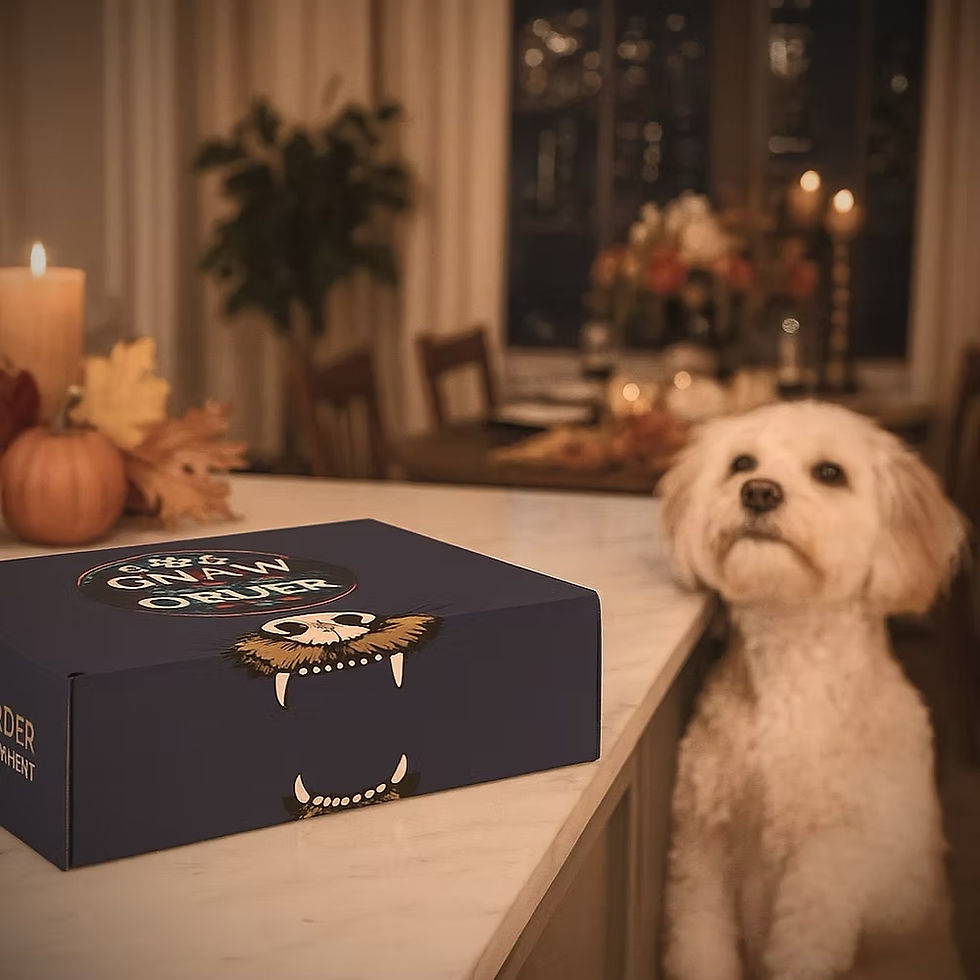
I often tell owners: treat your young dog like a toddler near a swimming pool, never take your eyes off them. For dogs who need more chewing and enrichment support this time of year, our Gnaw & Order program is a great option!
Guests, Doors, and Holiday Gatherings
One of the biggest mistakes owners make is assuming guests will manage their dog. They shouldn’t.
“It is not my guests’ responsibility to manage my dogs.”
During arrivals, my dogs are put safely away. Once guests settle, I bring them out under my direction, not their impulses. I also coach guests to ignore the dogs at first to prevent jumping, anxiety, and unintentional reinforcement. Children must always be supervised.
Traveling With Your Dog During the Holidays
If you’re traveling, the safest way for your dog to ride is in a crate. It protects them in the car, prevents distraction, and gives them familiarity in new environments. Last Christmas, I had five of my personal high-powered field dogs crated just 10 feet from the dinner table in another room, and no one knew it. They had their exercise, chewing, and a place to relax, which made them successful.
If you’re traveling and need trusted care, our boarding program provides structure and routine.
My # 1 Rule
If you remember just one thing: keep your dog in a routine. Exercise, enrichment, rest, and structure are the foundation of true holiday dog safety. When you meet these needs consistently - even during the busiest weeks of the year - your dog can stay calm, confident, and well-balanced. As I always say, “Trained Dogs Live Better Lives.”
FAQ: Holiday Dog Safety
1. How do I know if my dog is stressed during holiday gatherings?
Watch for pacing, whining, avoidance, chewing, trembling, lip licking, and yawning. Early cues tell you your dog needs help settling.
2. Should my dog greet guests at the door?
No. Keep your dog safely put away until guests are settled. Door greetings often create overstimulation and unsafe behaviors.
3. What holiday foods should my dog avoid?
Chocolate, cookies, baked goods, fatty leftovers, grapes, alcohol, and anything containing xylitol. It’s safest to stick to their regular diet.
4. How can I dog-proof my home for Christmas?
Monitor access to the tree, hide electrical cords, supervise puppies, remove toxic plants, and keep food out of reach.
5. Is crate training helpful during the holidays?
Absolutely. Crates give dogs the structure, rest, and emotional safety they need during chaotic times and are essential for safe travel.
Visit QK Dogs today to learn more about our comprehensive dog care services, including training, boarding, grooming, nail trimming, and more!

About the Author: Jennifer Broome is the founder of QK Dogs, author and creator of the Mastering Canine Communication video series. With over 20 years of experience, she’s helped thousands of dogs and their owners build better relationships through calm leadership, clarity, and structure.


Comments